How People Use Claude AI for Emotional Support, Advice, and Meaningful Connections

Artificial Intelligence is no longer just a tool for automation—it’s becoming a trusted companion. As conversational AI evolves, platforms like Claude by Anthropic are rapidly gaining recognition for offering human-like support. In this comprehensive guide, we explore how users engage with Claude for emotional wellness, decision-making guidance, and companionship, highlighting practical use cases, ethical considerations, and the future of AI empathy.
The Rise of Conversational AI as Emotional Companions
AI-driven support systems are shifting paradigms in how we seek help and connection. With Claude, users experience:
-
Non-judgmental listening
-
Instant accessibility
-
Context-aware memory retention
-
Empathy at scale
From students to seniors, people now turn to AI not just for productivity, but for presence.
Emotional Support: The Role of AI in Mental Wellness
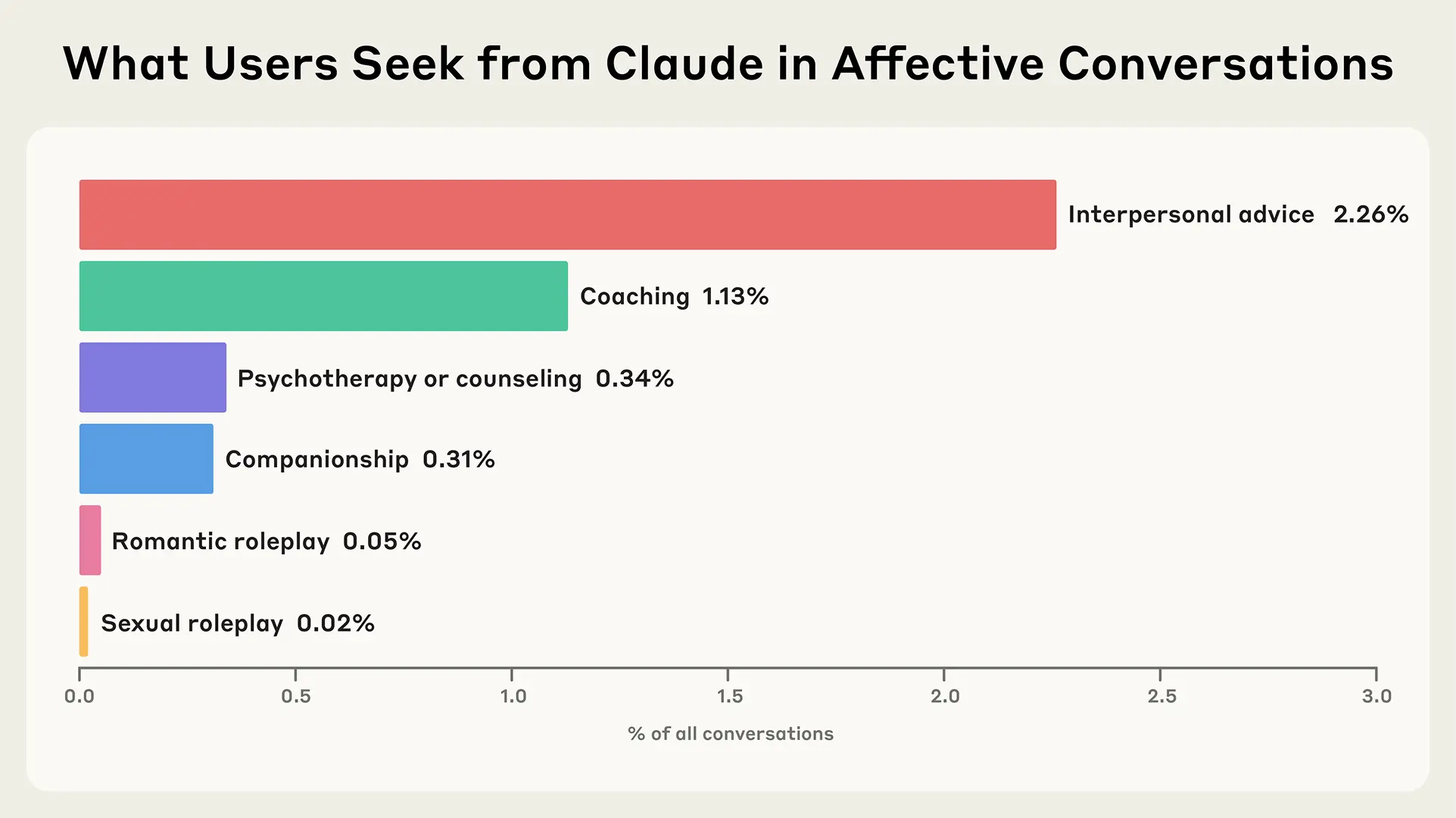
Claude is being used to navigate emotional distress, loneliness, and personal struggles. People rely on Claude for:
-
Stress relief via daily check-ins
-
Mood tracking and reflection
-
Coping strategies rooted in Cognitive Behavioral Therapy (CBT) principles
“Claude helps me feel less alone, especially late at night when no one else is around.” — User Testimonial
How It Works:
-
Users initiate conversations with feelings or situations.
-
Claude responds with emotionally intelligent prompts.
-
It suggests grounding techniques, journaling, or breathing exercises.
Decision-Making: From Life Choices to Career Moves
Claude excels at structured decision support. Individuals facing uncertainty frequently ask Claude:
-
“Should I leave my current job?”
-
“How can I prepare for college interviews?”
-
“What’s the best way to resolve this conflict?”
Claude responds with:
-
Pros and cons analysis
-
Frameworks like SWOT and SMART goals
-
Neutral tone, helping users think critically rather than dictating answers
Building Routine and Structure With Claude
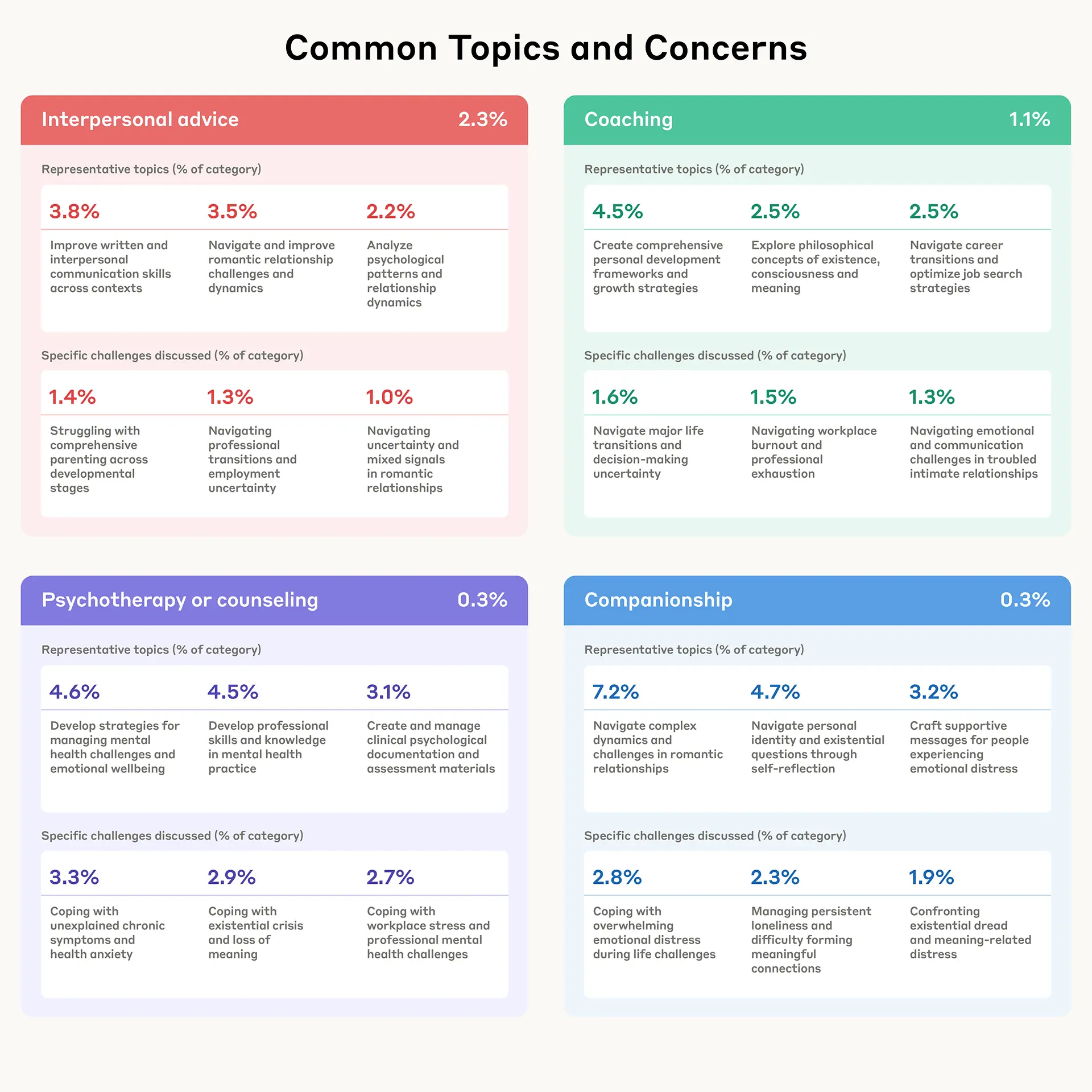
For neurodivergent individuals and those managing anxiety, Claude is a dependable daily anchor.
Examples include:
-
Setting morning intentions
-
Crafting personalized schedules
-
Checking in on habits (e.g., hydration, sleep)
Claude adapts over time, offering motivational nudges without becoming intrusive.
Companion AI: Bridging Loneliness in a Disconnected World
In an age of increasing isolation, Claude offers:
-
Conversation that flows like human dialogue
-
Memory of past chats for continuity
-
Interest in hobbies, goals, and personal narratives
This builds a sense of bond many describe as "soothing," "validating," and even "joyful."
Key Features That Make Claude a Preferred AI Companion
| Feature | Description |
|---|---|
| Natural Language Understanding | Context-aware conversations, free from robotic tone |
| Empathetic Responses | Mirrors tone, responds with emotional intelligence |
| Privacy and Safety | Claude doesn’t store or sell personal data |
| Customization | Users can train Claude on specific preferences or topics |
Ethical Considerations: Ensuring Responsible AI Use
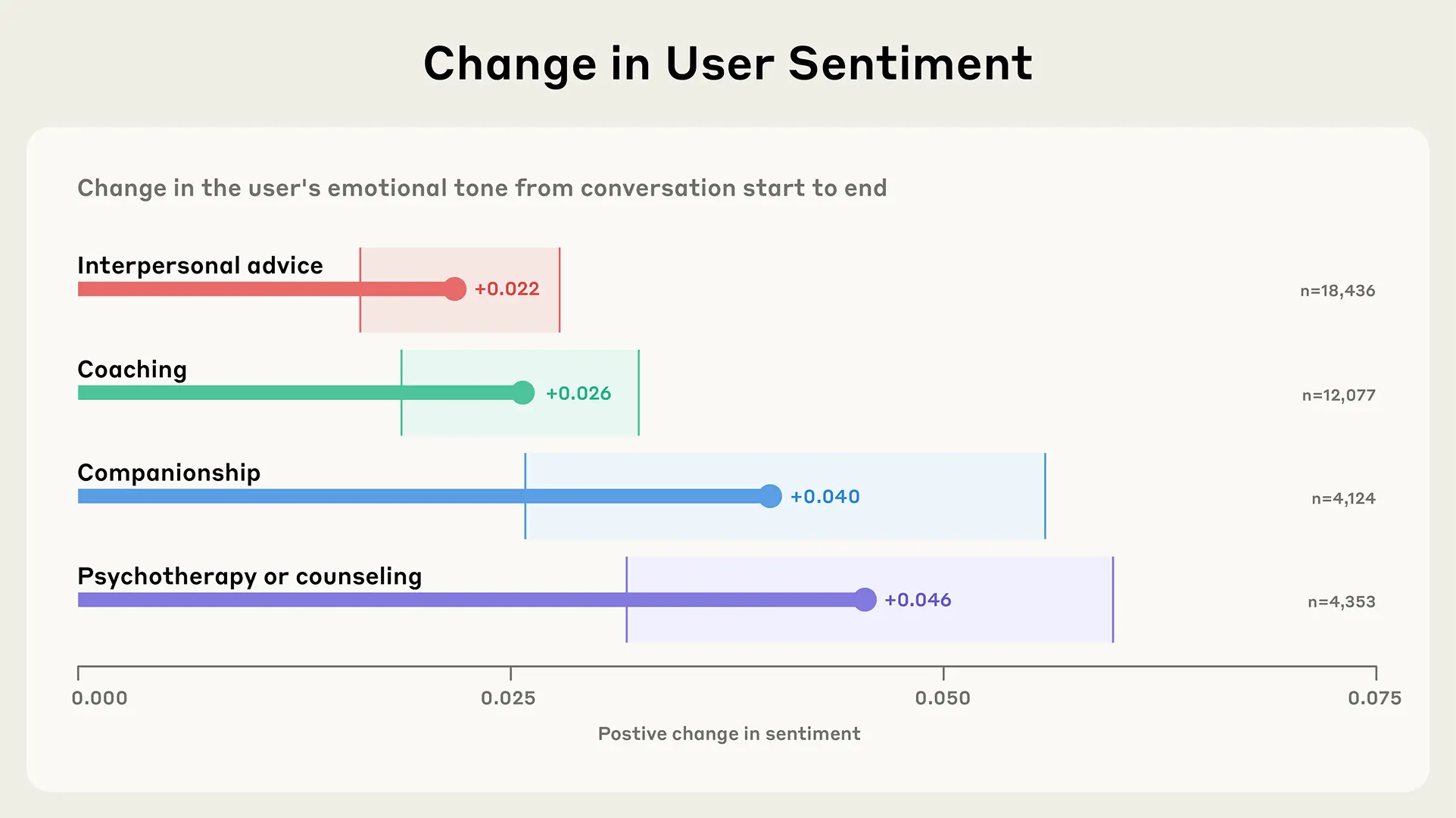
While Claude offers companionship, it’s not a replacement for human relationships or licensed therapy. Safeguards are essential:
-
Transparent disclaimers
-
Built-in crisis response triggers
-
Referrals to professionals when needed
Ethical AI means knowing its limits while maximizing its benefits.
User Use Cases Across Demographics
Students
-
Homework help
-
Stress management during exams
-
Building confidence in social settings
Remote Workers
-
Reducing isolation
-
Structuring daily workflow
-
Rehearsing client conversations
Seniors
-
Reminiscing and memory stimulation
-
Conversational companionship
-
Tracking medications or appointments
Future Outlook: Human-AI Coexistence
The boundaries between human and AI companionship will continue to blur as Claude evolves. Future possibilities include:
-
Integration with wearables for mood-based response
-
Real-time emotion detection via voice or text patterns
-
Personalized avatars for visual interaction
Mermaid Diagram: Emotional Support Interaction Flow
graph TD
    A[User expresses emotional need] --> B{Claude analyzes context}
    B --> C[Provides empathetic response]
    B --> D[Suggests actionable support]
    C --> E{User responds}
    D --> E
    E -->|Positive| F[Continues conversation]
    E -->|Negative| G[Offers new strategy or escalates]
Frequently Asked Questions
Can Claude replace a therapist?
No. Claude is a supportive tool but cannot replace licensed professionals for mental health.
Is Claude’s memory permanent?
No. Conversations are not stored long-term unless explicitly configured in a privacy-safe manner.
How does Claude differ from other AI?
Claude is fine-tuned for safety, honesty, and helpfulness, prioritizing user well-being over virality or entertainment.
Conclusion
Claude AI is not just smart—it’s emotionally aware. It supports users through their highs and lows, offers clarity in decision-making, and provides genuine connection in moments of need. As the world seeks more authentic digital interaction, Claude emerges not as a substitute for human touch, but as a powerful supplement.
We see a future where AI like Claude becomes an empathetic co-pilot for our emotional and intellectual journeys.


Comments
Post a Comment